よむ、つかう、まなぶ。

資料3-6 コルヒチンの安全対策のための製造販売承認事項一部変更承認について[1.7MB] (14 ページ)
出典
| 公開元URL | https://www.mhlw.go.jp/stf/newpage_73884.html |
| 出典情報 | 薬事審議会 医薬品等安全対策部会(令和8年度第1回 6/18)《厚生労働省》 |
ページ画像
ダウンロードした画像を利用する際は「出典情報」を明記してください。
低解像度画像をダウンロード
プレーンテキスト
資料テキストはコンピュータによる自動処理で生成されており、完全に資料と一致しない場合があります。
テキストをコピーしてご利用いただく際は資料と付け合わせてご確認ください。
1062
TERKELTAUB ET AL
and recorded pertinent information on standardized case
report forms.
The intensity of AEs was graded as mild, moderate, or
severe based on the study physicians’ clinical judgment. Established US Food and Drug Administration (FDA) criteria were
used to define serious AEs (10). No data-monitoring safety
board or any other unblinded oversight committee was used in
this study.
Ethics. All patients provided written informed consent
and signed the Health Insurance Portability and Accountability Act of 1996 Authorization Form. The study was performed
in accordance with good clinical practice standards and in
accordance with the ethical principles that have their origin in
the Declaration of Helsinki, 1996. The study was reviewed, and
approval was provided by the central ethics review board
(Sterling Institutional Review Board). The study complied with
the requirements set forth in International Conference on
Harmonisation guidelines and in FDA regulations outlined in
21 CFR Part 56.
AGREE statistical analysis and end points. The primary end point was the proportion of patients who responded
to treatment. Responders were defined as having a pretreatment pain score within 12 hours of flare onset and a ⱖ50%
reduction in pain within 24 hours of the first dose of study
medication without the use of rescue medication during that
time frame.
The primary analysis compared the proportion of
responders in the high-dose colchicine and placebo groups
(using an unstratified Pearson chi-square test due to sites not
having patients in all treatment groups). Comparison of lowdose colchicine with placebo was declared a priori a secondary
outcome measure. Additional alternate definitions of response
including 1) treatment response based on the target joint pain
score 32 hours after the first dose, 2) treatment response based
on at least a 2-unit reduction in the target joint pain score 24
hours after the first dose, and 3) treatment response based on
at least a 2-unit reduction in the target joint pain score 32
hours after the first dose were declared a priori secondary
outcome measures.
Proportions of responders (using the primary efficacy
end point definition) were compared using the unstratified
chi-square test by generating the 95% confidence interval
(95% CI) around the mean values for the effect of age (⬍45,
45–65, or ⬎65 years), serum urate (ⱕ7 versus ⬎7 mg/dl),
allopurinol use, diuretic use, time since first diagnosis of gout
(less than the median duration versus greater than or equal to
the median duration), number of flares within the last 12
months (ⱕ3 versus ⬎3), admitted alcohol use, and creatinine
clearance. All analyses were performed using SAS software,
version 9.1 (SAS Institute, Cary, NC).
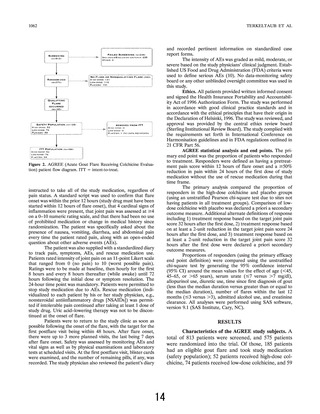
Figure 2. AGREE (Acute Gout Flare Receiving Colchicine Evaluation) patient flow diagram. ITT ⫽ intent-to-treat.
instructed to take all of the study medication, regardless of
pain status. A standard script was used to confirm that flare
onset was within the prior 12 hours (study drug must have been
started within 12 hours of flare onset), that 4 cardinal signs of
inflammation were present, that joint pain was assessed at ⱖ4
on a 0–10 numeric rating scale, and that there had been no use
of prohibited medication or change in medical history since
randomization. The patient was specifically asked about the
presence of nausea, vomiting, diarrhea, and abdominal pain
every time the patient rated pain, along with an open-ended
question about other adverse events (AEs).
The patient was also supplied with a standardized diary
to track pain, symptoms, AEs, and rescue medication use.
Patients rated intensity of joint pain on an 11-point Likert scale
that ranged from 0 (no pain) to 10 (worst possible pain).
Ratings were to be made at baseline, then hourly for the first
8 hours and every 8 hours thereafter (while awake) until 72
hours following the initial dose or symptom resolution. The
24-hour time point was mandatory. Patients were permitted to
stop study medication due to AEs. Rescue medication (individualized to each patient by his or her study physician, e.g.,
nonsteroidal antiinflammatory drugs [NSAIDs]) was permitted if intolerable pain continued after taking at least 1 dose of
study drug. Uric acid–lowering therapy was not to be discontinued at the onset of flare.
Patients were to return to the study clinic as soon as
possible following the onset of the flare, with the target for the
first postflare visit being within 48 hours. After flare onset,
there were up to 3 more planned visits, the last being 7 days
after flare onset. Safety was assessed by monitoring AEs and
vital signs as well as by physical examinations and laboratory
tests at scheduled visits. At the first postflare visit, blister cards
were examined, and the number of remaining pills, if any, was
recorded. The study physician also reviewed the patient’s diary
RESULTS
Characteristics of the AGREE study subjects. A
total of 813 patients were screened, and 575 patients
were randomized into the trial. Of those, 185 patients
had an eligible gout flare and took study medication
(safety population); 52 patients received high-dose colchicine, 74 patients received low-dose colchicine, and 59
14
TERKELTAUB ET AL
and recorded pertinent information on standardized case
report forms.
The intensity of AEs was graded as mild, moderate, or
severe based on the study physicians’ clinical judgment. Established US Food and Drug Administration (FDA) criteria were
used to define serious AEs (10). No data-monitoring safety
board or any other unblinded oversight committee was used in
this study.
Ethics. All patients provided written informed consent
and signed the Health Insurance Portability and Accountability Act of 1996 Authorization Form. The study was performed
in accordance with good clinical practice standards and in
accordance with the ethical principles that have their origin in
the Declaration of Helsinki, 1996. The study was reviewed, and
approval was provided by the central ethics review board
(Sterling Institutional Review Board). The study complied with
the requirements set forth in International Conference on
Harmonisation guidelines and in FDA regulations outlined in
21 CFR Part 56.
AGREE statistical analysis and end points. The primary end point was the proportion of patients who responded
to treatment. Responders were defined as having a pretreatment pain score within 12 hours of flare onset and a ⱖ50%
reduction in pain within 24 hours of the first dose of study
medication without the use of rescue medication during that
time frame.
The primary analysis compared the proportion of
responders in the high-dose colchicine and placebo groups
(using an unstratified Pearson chi-square test due to sites not
having patients in all treatment groups). Comparison of lowdose colchicine with placebo was declared a priori a secondary
outcome measure. Additional alternate definitions of response
including 1) treatment response based on the target joint pain
score 32 hours after the first dose, 2) treatment response based
on at least a 2-unit reduction in the target joint pain score 24
hours after the first dose, and 3) treatment response based on
at least a 2-unit reduction in the target joint pain score 32
hours after the first dose were declared a priori secondary
outcome measures.
Proportions of responders (using the primary efficacy
end point definition) were compared using the unstratified
chi-square test by generating the 95% confidence interval
(95% CI) around the mean values for the effect of age (⬍45,
45–65, or ⬎65 years), serum urate (ⱕ7 versus ⬎7 mg/dl),
allopurinol use, diuretic use, time since first diagnosis of gout
(less than the median duration versus greater than or equal to
the median duration), number of flares within the last 12
months (ⱕ3 versus ⬎3), admitted alcohol use, and creatinine
clearance. All analyses were performed using SAS software,
version 9.1 (SAS Institute, Cary, NC).
Figure 2. AGREE (Acute Gout Flare Receiving Colchicine Evaluation) patient flow diagram. ITT ⫽ intent-to-treat.
instructed to take all of the study medication, regardless of
pain status. A standard script was used to confirm that flare
onset was within the prior 12 hours (study drug must have been
started within 12 hours of flare onset), that 4 cardinal signs of
inflammation were present, that joint pain was assessed at ⱖ4
on a 0–10 numeric rating scale, and that there had been no use
of prohibited medication or change in medical history since
randomization. The patient was specifically asked about the
presence of nausea, vomiting, diarrhea, and abdominal pain
every time the patient rated pain, along with an open-ended
question about other adverse events (AEs).
The patient was also supplied with a standardized diary
to track pain, symptoms, AEs, and rescue medication use.
Patients rated intensity of joint pain on an 11-point Likert scale
that ranged from 0 (no pain) to 10 (worst possible pain).
Ratings were to be made at baseline, then hourly for the first
8 hours and every 8 hours thereafter (while awake) until 72
hours following the initial dose or symptom resolution. The
24-hour time point was mandatory. Patients were permitted to
stop study medication due to AEs. Rescue medication (individualized to each patient by his or her study physician, e.g.,
nonsteroidal antiinflammatory drugs [NSAIDs]) was permitted if intolerable pain continued after taking at least 1 dose of
study drug. Uric acid–lowering therapy was not to be discontinued at the onset of flare.
Patients were to return to the study clinic as soon as
possible following the onset of the flare, with the target for the
first postflare visit being within 48 hours. After flare onset,
there were up to 3 more planned visits, the last being 7 days
after flare onset. Safety was assessed by monitoring AEs and
vital signs as well as by physical examinations and laboratory
tests at scheduled visits. At the first postflare visit, blister cards
were examined, and the number of remaining pills, if any, was
recorded. The study physician also reviewed the patient’s diary
RESULTS
Characteristics of the AGREE study subjects. A
total of 813 patients were screened, and 575 patients
were randomized into the trial. Of those, 185 patients
had an eligible gout flare and took study medication
(safety population); 52 patients received high-dose colchicine, 74 patients received low-dose colchicine, and 59
14